
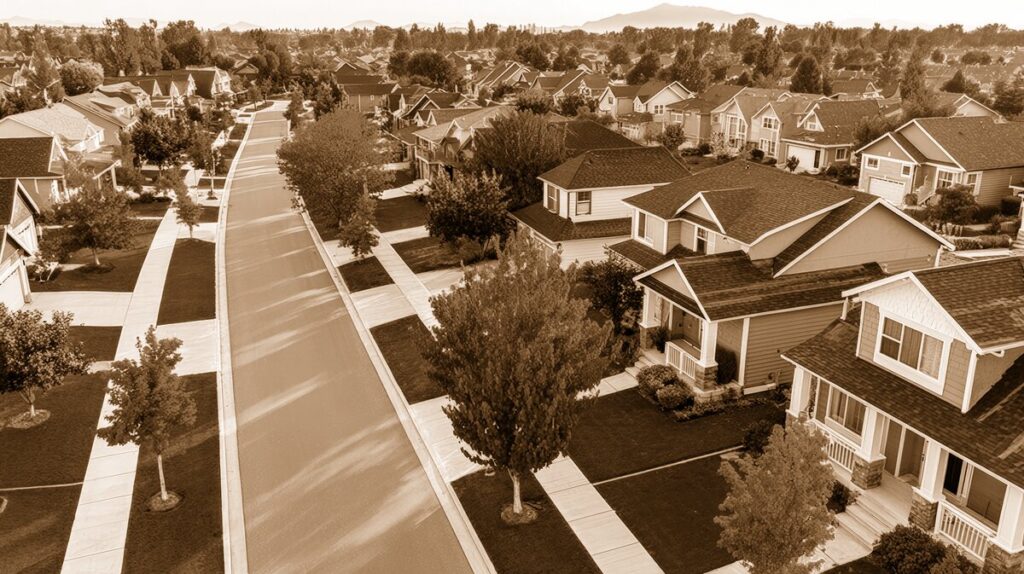
Indianapolis is a city of unique neighborhoods, each with its particular blend of history, community, and character. Nestled on the city’s north side, Keystone at the Crossing stands out as a vibrant commercial and residential hub that has grown from rural roots into one of Indianapolis’ most recognized destinations. Residents and visitors alike are drawn by its modern conveniences, but the area’s story is one of transformation and enduring heritage.
Origins: From Farmlands to Foundations
Long before luxury shopping and bustling business parks, the land that is now Keystone at the Crossing was dominated by sprawling Indiana farmland. In the early to mid-1900s, this northern stretch of Indianapolis was known for wooded acreage, quiet rural roads, and family-owned farms. The area was largely undeveloped, with the closest signs of suburban expansion further south near Broad Ripple and Glendale.
The pivotal change began in the 1970s, when Indianapolis, buoyed by highway expansion and a growing population, began to look northward for growth opportunities. Key to this transformation was the construction of the Keystone Parkway (now part of I-465 and Keystone Avenue) in the late 1960s and early 1970s, providing the region with streamlined access to downtown and beyond.
The Name: Keystone at the Crossing
The name “Keystone at the Crossing” derives from its pivotal location at the intersection of Keystone Avenue and 86th Street—one of the city’s most important northside crossroads. The “crossing” references not just the literal intersection but also the metaphorical meeting of old Indiana and new ambitions. The construction of the nearby I-465 beltway greatly accelerated change, turning a once sleepy corridor into prime real estate.
Key Historical Milestones
- 1973: The Fashion Mall opens its doors, one of the first and most notable centers anchoring Keystone at the Crossing. Its arrival signals the area’s evolution from farmland to upscale commercial center, redefining shopping in Indianapolis.
- 1970s-1980s: Development explodes, with hotels, office parks, and restaurants rapidly joining the landscape. Notably, the Precedent Office Park and Woodfield Crossing offices are completed, offering prestigious addresses for businesses and professionals.
- 1990s: The neighborhood continues flourishing, with expansions to the Fashion Mall and an influx of national retailers and fine eateries. The corridor gains a reputation for luxury shopping and dining.
- 2000s-Present: Keystone at the Crossing maintains its role as a northside anchor, adapting to changing shopping habits and urban trends. Green spaces, such as Ironworks at Keystone and nearby Nora’s open areas, underscore efforts to blend commerce with urban living.
Notable Landmarks and Institutions
While best known for its commercial appeal, Keystone at the Crossing is home to several notable locations that have helped define its unique character:
- The Fashion Mall at Keystone: Arguably the crown jewel of the neighborhood, this upscale shopping destination is renowned throughout Indiana. Retail giants like Saks Fifth Avenue, Nordstrom, and a curated mix of boutiques draw shoppers from across the Midwest.
- Keystone Shoppes and Crossing: Complementing the Fashion Mall, these centers bring together high-end salons, gourmet groceries, and restaurants with local flavor, such as Café Patachou—a favorite among residents for brunch.
- Woodfield Crossing Boulevard: This corridor is known for its distinctive office complexes, blending reflective glass and water features with lush landscaping, setting a benchmark for business parks citywide.
- Ironworks Hotel and Apartments: Fusing industrial chic with hospitality, Ironworks captures the neighborhood’s spirit of blending old and new. The hotel’s unique façade and culinary offerings at ground-level restaurants create a community gathering spot.
- Nearby Greenspaces: Though not always within strict Keystone at the Crossing bounds, nearby parks like Marott Park and Nature Preserve, as well as the White River and Central Canal Towpath, offer escapes into nature minutes from shopping and offices.
Streets and Institutions That Shaped the Neighborhood
At the heart of Keystone at the Crossing is the bustling intersection of Keystone Avenue and 86th Street, bordered by 82nd Street to the south and spreading east to Dean Road. The area’s easy access to I-465 made it a strategic choice for development, drawing families and professionals seeking modern amenities without sacrificing convenience to downtown Indianapolis or Carmel.
Institutions like the North Central High School in the wider Washington Township area, and the proximity to the Indianapolis Arts Center in nearby Broad Ripple, offered cultural and educational anchors for families moving into new subdivisions north and east of Keystone at the Crossing.
Evolution Over the Decades
Keystone at the Crossing’s evolution mirrors that of Indianapolis itself—a shift from rural tradition to suburban innovation, always striving to maintain a welcoming, lively character. Over the decades, the area has deftly navigated shifts in retail trends, surviving the challenge of big-box stores and the rise of e-commerce by reinventing itself as a destination for experiences: upscale dining, boutique shopping, and community events.
Today’s Keystone at the Crossing retains echoes of its past through lush landscaping, mature trees, and a careful mix of development that balances bustling activity with moments of serenity. Weekends find the area filled not just with shoppers but also joggers, families at local parks, and friends gathering at sidewalk cafes.
A Neighborhood That Balances Past and Future
What makes Keystone at the Crossing truly special is its dedication to balancing progress with its Midwestern roots. The enthusiasm for growth has never come at the expense of quality of life; instead, every new addition to the neighborhood feels carefully chosen to build on its legacy.
Longtime residents remember when grazing cattle roamed the fields near today’s luxury boutiques—a testament to how rapidly and thoughtfully the area has grown. Newcomers, meanwhile, are ushered into a community that feels both contemporary and deeply grounded.
Keystone at the Crossing remains not only a gateway to commerce and culture but also a neighborhood where history is embraced, and the future is always in view. It’s a true crossroads—geographically and in spirit—making it a beloved part of Indianapolis’ ever-evolving story.